
Teeth Whitening
Safe and effective professional teeth whitening, performed exclusively by dental professionals.
Teeth Whitening in Almada, Fernão Ferro, Baixa da Banheira.
Meet the professionals who provide this treatmentIn short
Professional teeth whitening is an aesthetic treatment that allows you to lighten the color of your teeth safely and effectively. At our clinic, we use advanced techniques and high-quality products to remove stains and discoloration, restoring the natural brightness of your smile. The procedure is customized for each patient, for natural-looking results.
This treatment follows the published guidance of Portuguese Dental Association. You can check it at the official source before booking.
VerifyTeeth Whitening: Professional Techniques
Teeth Whitening — At our Dental Clinic we offer two complementary approaches. Both techniques are safe and effective when supervised by professionals.
In-Office Whitening
Hydrogen peroxide up to 6% with visible results in a single 45-minute session.
At-Home Whitening
Custom trays with carbamide peroxide 10-16%, applied 1-8 hours daily over several weeks.
Professional Supervision
Prior assessment to identify contraindications and ensure safe, effective treatment.
Superior Results
Professional-grade products achieve significantly whiter results than over-the-counter options.
What to Expect at the Consultation
A complete assessment to determine the type of stains and the ideal treatment for your case.
Step 01
Oral Assessment
Checking for cavities, restorations and gum health before whitening.
Step 02
Shade Registration
We use the VITA scale to document your teeth's initial color.
Step 03
Treatment Plan
Presentation of whitening options and realistic result expectations.
Step 04
Scheduling
Booking the whitening session at a convenient date.
Types of Tooth Stains
Whitening effectiveness depends on stain type. We assess your case to recommend the most appropriate treatment.
Extrinsic Stains
Excellent whitening response
Accumulate on the enamel surface over time.
- Coffee and tea
- Red wine
- Tobacco
- Dark sauces and beetroot
- Plaque and tartar buildup
Intrinsic Stains
May require alternative treatments
Develop within the tooth structure during formation.
- Tetracycline (antibiotics)
- Fluorosis (excess fluoride)
- Dental trauma
- Natural aging
- Genetics
* Severe cases may benefit from veneers or crowns.
Why Does This Matter?
Stained teeth affect more than appearance — they impact your confidence and well-being.
Confidence and Self-Esteem
A white, radiant smile increases self-confidence and the desire to smile more often.
First Impressions
A bright smile conveys youth, health and personal care in professional and social settings.
Aging Appearance
Yellowed teeth can add years to your appearance, even with well-maintained skin.
Photo Confidence
Feel comfortable smiling in photos without worrying about how your teeth look.
Social Connections
A brighter smile makes you more approachable and helps build stronger personal relationships.
Career Success
Studies show people with attractive smiles are perceived as more competent and trustworthy.
Is Whitening Right for You?
This is for you if...
- Have yellowed or stained teeth
- No active cavities or gum disease
- Over 18 years old
- Not pregnant or breastfeeding
- Looking to improve smile aesthetics
May not be ideal if...
- Have many restorations on front teeth (don't whiten)
- Have severe intrinsic stains (tetracycline)
- Suffer from extreme tooth sensitivity
- Have unrealistic expectations (artificial whites)
Clear prices, before we start
Before any treatment, you receive a plan explained in detail and a written quote. The amount you approve with us is the amount you pay — no surprises on the invoice, and no pressure to decide.
A written quote
Handed over and explained at your first appointment, before any decision. Take it home and think it over.
Consultation prices
The first visit, the urgent consultation, GBT oral hygiene, the dental sleep medicine and orofacial pain (TMJ) consultations, the polyclinic consultations and the panoramic X-ray have a published price — private prices; with insurance or an agreement, the amount depends on your plan.
See consultation prices3 to 12 interest-free instalments
Finance treatments up to €2,500 with Cofidis Pay — approval in minutes, fully digital.
See financingAgreements, insurance and cheque-dentista
Thirteen agreements and insurers — from Medicare and Multicare to Future Healthcare — plus the SNS cheque-dentista.
See agreements & insurance
No treatment goes ahead without a quote you have approved.
At the assessment you get the plan in writing, with the cost of each stage and what your insurance or agreement covers. Take it home and decide without pressure.
Book a visitWe publish consultation prices. The rest depends on the case — so treatment is quoted in writing, and you know the total before anything starts.
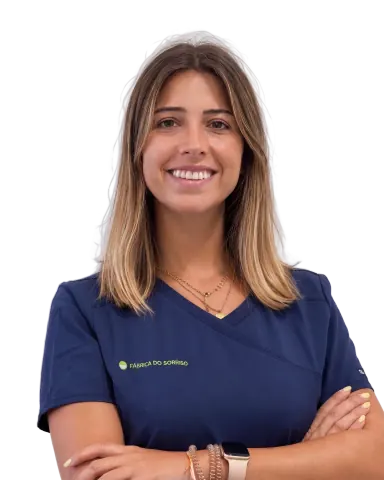 02 Who treats you
Dr. Joana Capela
Dentist
At your appointment, Dr. Joana Capela will listen to what brings you in, assess your case and explain your options. You can ask questions before deciding what to do next.
- Registration
- OMD 14332
- Clinics
- Fernão Ferro
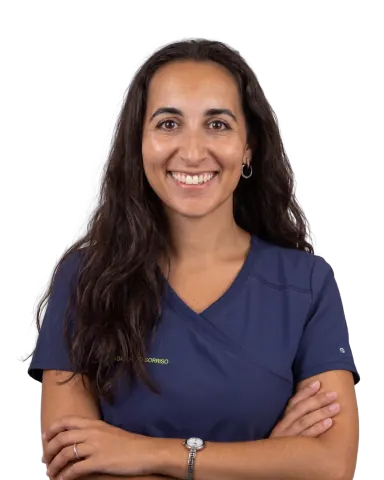
Dr. Débora Martins
Dentist
At your appointment, Dr. Débora Martins will listen to what brings you in, assess your case and explain your options. You can ask questions before deciding what to do next.
- Registration
- OMD 13053
- Clinics
- Almada · Fernão Ferro

Dr. Patrícia Moreno
Dentist
At your appointment, Dr. Patrícia Moreno will listen to what brings you in, assess your case and explain your options. You can ask questions before deciding what to do next.
- Registration
- OMD 12997
- Clinics
- Almada · Fernão Ferro

Dr. Vasyl Lesyshyn
Dentist
At your appointment, Dr. Vasyl Lesyshyn will listen to what brings you in, assess your case and explain your options. You can ask questions before deciding what to do next.
- Registration
- OMD 13412
- Clinics
- Almada · Fernão Ferro

Dr. Pedro Pauli
Dentist
At your appointment, Dr. Pedro Pauli will listen to what brings you in, assess your case and explain your options. You can ask questions before deciding what to do next.
- Registration
- OMD 15078
- Clinics
- Almada · Fernão Ferro · Baixa da Banheira
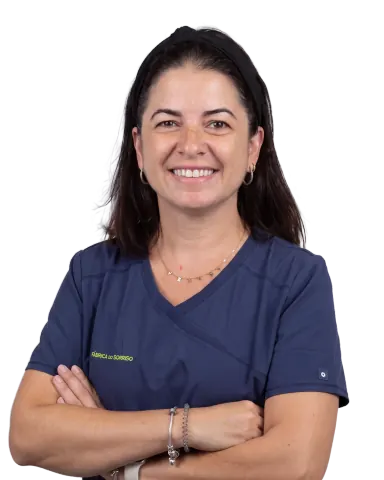
Dr. Cláudia Pascoal
Dentist
At your appointment, Dr. Cláudia Pascoal will listen to what brings you in, assess your case and explain your options. You can ask questions before deciding what to do next.
- Registration
- OMD 6793
- Clinics
- Fernão Ferro · Baixa da Banheira
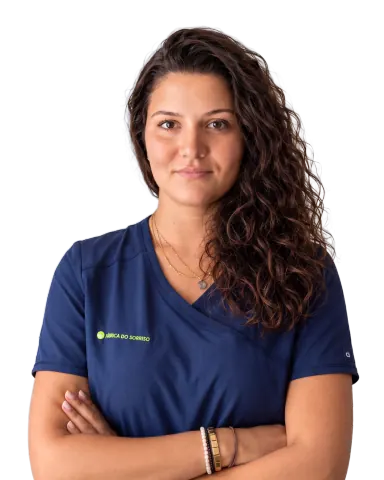
Dr. Ana Rita Pinho
Dentist
At your appointment, Dr. Ana Rita Pinho will listen to what brings you in, assess your case and explain your options. You can ask questions before deciding what to do next.
- Registration
- OMD 10342
- Clinics
- Fernão Ferro

Dr. Audrey Girard
Dentist
At your appointment, Dr. Audrey Girard will listen to what brings you in, assess your case and explain your options. You can ask questions before deciding what to do next.
- Registration
- OMD 6042
- Clinics
- Almada
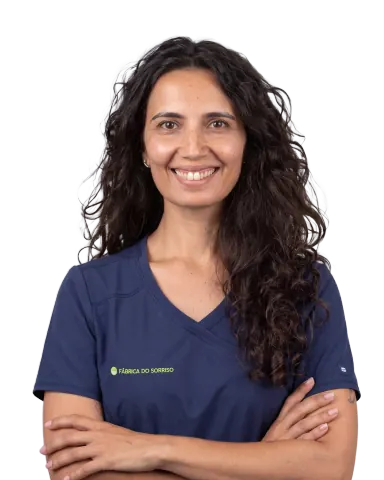
Dr. Margarida Carvalho
Dentist
At your appointment, Dr. Margarida Carvalho will listen to what brings you in, assess your case and explain your options. You can ask questions before deciding what to do next.
- Registration
- OMD 10306
- Clinics
- Almada

Dr. Filipa Caeiro
Dentist
At your appointment, Dr. Filipa Caeiro will listen to what brings you in, assess your case and explain your options. You can ask questions before deciding what to do next.
- Registration
- OMD 7931
- Clinics
- Fernão Ferro · Baixa da Banheira

Dr. Silvana Guerra
Oral Hygienist
At your appointment, Dr. Silvana Guerra will listen to what brings you in, assess your case and explain your options. You can ask questions before deciding what to do next.
- Registration
- ACSS 033166080
- Clinics
- Fernão Ferro
Dr. Ana Margarida Pinto
Oral Hygienist
At your appointment, Dr. Ana Margarida Pinto will listen to what brings you in, assess your case and explain your options. You can ask questions before deciding what to do next.
- Registration
- ACSS C-076446085
- Clinics
- Almada · Fernão Ferro


Available at
Almada
Rua da Liberdade, 74 J
2805-355 AlmadaBook a visit+351 968 649 899Call charged at national mobile rate
+351 212 741 724Call charged at national landline rate
Fernão Ferro
Rua Fernando Pessoa, 231 A
2865-189 Fernão FerroBook a visit+351 961 587 068Call charged at national mobile rate
+351 212 121 196Call charged at national landline rate
Baixa da Banheira
Rua Ville Plaisir, 76 B
2835-166 Baixa da BanheiraBook a visit+351 937 616 715Call charged at national mobile rate
+351 214 088 669Call charged at national landline rate
Frequently asked questions
- Is teeth whitening safe?
- Yes, professional teeth whitening is completely safe. We use quality products and techniques that protect the enamel and gums throughout the procedure.
- How long do whitening results last?
- Results can last from 1 to 3 years, depending on eating habits and oral hygiene. Avoiding staining foods and drinks helps prolong results.
- Does whitening cause tooth sensitivity?
- Temporary sensitivity may occur during or after treatment, but it usually disappears within a few days. We use products with desensitizing agents to minimize this effect.
- How many sessions are needed for teeth whitening?
- Generally, one to two in-office sessions are sufficient to achieve visible results. Some cases may benefit from complementary home treatment.
- Can I whiten my teeth if I have dental restorations?
- Whitening only works on natural teeth. Restorations, crowns, and veneers do not change color. It may be necessary to replace old restorations to even out the color after whitening.
- What is the difference between home and in-office whitening?
- In-office whitening uses higher concentration products with faster results. Home whitening uses custom trays with lower concentration gel, being more gradual but equally effective.
- Does whitening damage tooth enamel?
- When performed correctly by professionals, whitening does not damage enamel. Modern products are formulated to be safe and effective without compromising dental structure.
- Who cannot undergo teeth whitening?
- Whitening is contraindicated for people under 18, pregnant or breastfeeding women, those with untreated cavities, active periodontal disease, or severe tooth sensitivity. Patients with extensive restorations should be evaluated as these do not change color with treatment. A prior evaluation by the dentist is always mandatory.
- What should I avoid after whitening?
- In the first 48 hours, avoid foods and drinks with intense colorants such as coffee, red wine, tea, beetroot, and dark sauces. Also avoid smoking during this period.
- Does whitening work on all types of stains?
- Whitening is most effective on extrinsic stains caused by food and drinks. Intrinsic stains, such as those caused by tetracycline or fluorosis, may require alternative treatments like veneers.
- Are over-the-counter whitening products effective?
- Over-the-counter products contain a maximum of 0.1% hydrogen peroxide, with questionable effectiveness. Professional whitening uses higher concentrations (hydrogen peroxide up to 6% or carbamide peroxide 10-16%) under dentist supervision, ensuring significantly better and safer results.
- Why should I only whiten my teeth with a dentist?
- Teeth whitening is a medical procedure that requires prior evaluation of oral health, identification of contraindications, and monitoring of possible side effects. Incorrect applications can cause serious and lasting damage to gums and teeth. Professional supervision ensures safety, effectiveness, and predictable results.
- What is the difference between hydrogen peroxide and carbamide peroxide?
- Hydrogen peroxide acts quickly, releasing most of its whitening power in the first 30-60 minutes — ideal for in-office treatments. Carbamide peroxide releases the whitening agent gradually over 6-8 hours, making it perfect for at-home tray treatment. For every 30% carbamide peroxide, there is approximately 10% hydrogen peroxide.
- What is the "white diet" after whitening?
- The "white diet" consists of consuming only light-colored foods and drinks in the first 48-72 hours after whitening. During this period, enamel pores are still open and can absorb pigments. Opt for white fish, chicken, rice, banana, cauliflower, water, and milk. Avoid coffee, wine, tea, beetroot, dark sauces, and tobacco.
- How can I maintain whitening results longer?
- To prolong results: brush teeth after consuming pigmented foods; use a straw for drinks like coffee or tea; have professional cleanings every 6 months; consider annual maintenance treatments with at-home trays; avoid smoking; maintain excellent daily oral hygiene. With this care, results can last up to 3 years.
- Why have my teeth darkened with age?
- Tooth darkening with age is due to several factors: enamel naturally wears down, revealing yellowish dentin beneath; years of exposure to pigmented foods and drinks accumulate stains; certain medications can cause discoloration; and changes in tooth structure affect how light is reflected. Professional whitening can reverse much of this discoloration.
- Is LED or laser whitening more effective?
- LED or laser light can accelerate the chemical reaction of the whitening gel, but scientific studies show that the active ingredient (peroxide) is mainly responsible for results. Light helps activate the gel more quickly, reducing treatment time, but does not replace product quality and professional supervision. Most important is using adequate concentrations under dentist supervision.
- Can I whiten my teeth if I have sensitive teeth?
- Yes, it is possible, but requires special precautions. We use products with desensitizing agents like potassium nitrate and fluoride; we opt for lower concentrations with shorter sessions; and may recommend desensitizing toothpaste before treatment. At-home whitening with trays is usually more comfortable for sensitive people, as it allows better control of exposure.
- How many shades lighter can I expect?
- Professional whitening can lighten teeth between 2 to 8 shades on the VITA scale, depending on initial color, type of stains, and individual response. Extrinsic stains (coffee, wine, tobacco) respond better to treatment. Combining in-office whitening with at-home maintenance treatment can achieve up to 11 shades in specific cases.
Other treatments
Teeth Whitening: Ready for a Brighter Smile?
Teeth Whitening — Book your assessment consultation and discover how professional whitening can safely lighten your teeth.