
Pediatric Dentistry
Specialized dental care for children, from the first tooth to adolescence.
Pediatric Dentistry in Almada, Fernão Ferro, Baixa da Banheira.
Meet the professionals who provide this treatmentIn short
Pediatric dentistry is dedicated to the oral health care of babies, children, and adolescents. The American Academy of Pediatric Dentistry recommends the first dental visit by age 1, establishing a "dental home" that follows your child's development. Our team specializes in creating positive dental experiences, using techniques like "tell-show-do" and a welcoming environment. We focus on prevention through fluoride applications and sealants, age-appropriate oral hygiene education, and specialized treatments like pulpotomies and space maintainers. Caring for baby teeth is essential - they are crucial for chewing, speech, and guiding permanent teeth.
We Support Every Growth Stage
From first teeth to adolescence, we offer personalized care for every stage of your child's development.
- 0-2 Years
Babies
- First visit at 12 months
- Guidance on hygiene and diet
- Baby bottle decay prevention
- 3-5 Years
Preschool
- Fluoride application
- Oral hygiene education
- Treating cavities in baby teeth
- 6-12 Years
School Age
- Sealants on permanent molars
- Orthodontic evaluation
- Sports mouthguards
- 13-18 Years
Teenagers
- Orthodontic treatment
- Wisdom teeth extraction
- Oral piercing counseling
When Do Teeth Appear?
Every child is unique, but this is the typical tooth eruption timeline. There are 20 baby teeth and 32 permanent teeth (including wisdom teeth).
6-12 months
First lower incisors
12-18 months
First baby molars
3 years
All 20 baby teeth
6 years
First permanent molar
12-13 years
Most permanent teeth
Pediatric Treatments
We offer a complete range of dental treatments adapted to children's specific needs.
Fluoride Treatment
Preventive treatment that strengthens enamel and can reduce cavities by up to 30%. Recommended 2-4 times per year.
Dental Sealants
Protective coating applied to molar grooves that prevents bacterial buildup. Lasts 3-5 years or more.
Pulpotomy
Treatment to save baby teeth with deep cavities, maintaining space for permanent teeth.
Space Maintainers
Devices that preserve space when a baby tooth is lost prematurely, preventing orthodontic problems.
Interceptive Orthodontics
Early treatment to correct developmental problems and guide jaw growth.
Emergency Treatment
Quick care for dental trauma, toothaches, and other emergencies. Time is crucial!
How We Make Visits Special
We create positive experiences that help children develop a healthy relationship with oral health for life.
Tell-Show-Do
We explain each step age-appropriately, show the instruments, and only then proceed.
- 1. Tell what we will do
- 2. Show the instruments
- 3. Proceed with care
Positive Reinforcement
We praise every achievement and good behavior, creating positive associations with the dentist.
Playful Environment
Our space was designed for children, with elements that make them feel comfortable.
Unhurried Appointments
We respect each child's pace, giving time to adapt and feel confident.
Parent Participation
Parents are welcome in the treatment room to reassure little ones. Your presence makes all the difference!
Rewards
Small surprises at the end of the appointment to celebrate courage and cooperation.
Clear prices, before we start
Before any treatment, you receive a plan explained in detail and a written quote. The amount you approve with us is the amount you pay — no surprises on the invoice, and no pressure to decide.
A written quote
Handed over and explained at your first appointment, before any decision. Take it home and think it over.
Consultation prices
The first visit, the urgent consultation, GBT oral hygiene, the dental sleep medicine and orofacial pain (TMJ) consultations, the polyclinic consultations and the panoramic X-ray have a published price — private prices; with insurance or an agreement, the amount depends on your plan.
See consultation prices3 to 12 interest-free instalments
Finance treatments up to €2,500 with Cofidis Pay — approval in minutes, fully digital.
See financingAgreements, insurance and cheque-dentista
Thirteen agreements and insurers — from Medicare and Multicare to Future Healthcare — plus the SNS cheque-dentista.
See agreements & insurance
No treatment goes ahead without a quote you have approved.
At the assessment you get the plan in writing, with the cost of each stage and what your insurance or agreement covers. Take it home and decide without pressure.
Book a visitWe publish consultation prices. The rest depends on the case — so treatment is quoted in writing, and you know the total before anything starts.
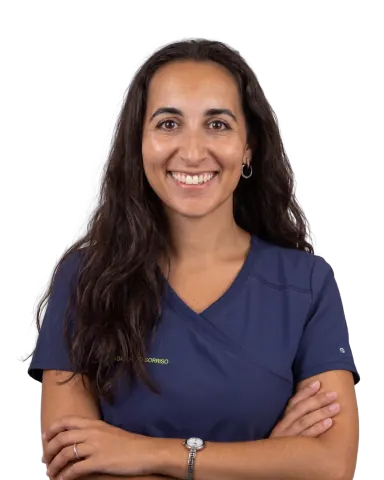 02 Who treats you
Dr. Débora Martins
Dentist
At your appointment, Dr. Débora Martins will listen to what brings you in, assess your case and explain your options. You can ask questions before deciding what to do next.
- Registration
- OMD 13053
- Clinics
- Almada · Fernão Ferro
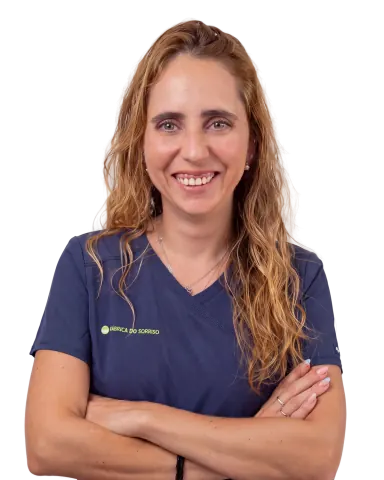
Dr. Patrícia Moreno
Dentist
At your appointment, Dr. Patrícia Moreno will listen to what brings you in, assess your case and explain your options. You can ask questions before deciding what to do next.
- Registration
- OMD 12997
- Clinics
- Almada · Fernão Ferro

Dr. Pedro Pauli
Dentist
At your appointment, Dr. Pedro Pauli will listen to what brings you in, assess your case and explain your options. You can ask questions before deciding what to do next.
- Registration
- OMD 15078
- Clinics
- Almada · Fernão Ferro · Baixa da Banheira


Available at
Almada
Rua da Liberdade, 74 J
2805-355 AlmadaBook a visit+351 968 649 899Call charged at national mobile rate
+351 212 741 724Call charged at national landline rate
Fernão Ferro
Rua Fernando Pessoa, 231 A
2865-189 Fernão FerroBook a visit+351 961 587 068Call charged at national mobile rate
+351 212 121 196Call charged at national landline rate
Baixa da Banheira
Rua Ville Plaisir, 76 B
2835-166 Baixa da BanheiraBook a visit+351 937 616 715Call charged at national mobile rate
+351 214 088 669Call charged at national landline rate
Frequently asked questions
- When should I take my child to the dentist for the first time?
- The first dental visit should occur within 6 months after the first tooth erupts or by age 1, whichever comes first. This early visit establishes a "dental home" and prevents future problems through guidance to parents on oral hygiene, diet, and healthy habits.
- How can I help my child not be afraid of the dentist?
- Start talking positively about the dentist early on. Avoid using words like "pain", "needle" or sharing negative experiences. Play dentist at home, counting each other's teeth. Read children's books about dental visits. Choose a pediatric dentist with a welcoming environment. Your own positive attitude is key - if you show calmness, your child will feel safer.
- When do the first baby teeth come in?
- The first baby teeth usually appear between 6 and 12 months of age, starting with the lower central incisors. By age 3, most children have all 20 baby teeth. Baby teeth start falling out around age 6, gradually being replaced by permanent teeth until age 12-13.
- Are baby teeth important if they are going to fall out?
- Yes, extremely important! Baby teeth are essential for proper chewing, speech development, maintaining space for permanent teeth, and proper facial development. Cavities in baby teeth can cause pain, infections, and affect the health of permanent teeth developing underneath. Additionally, losing baby teeth prematurely can cause future orthodontic problems.
- What are dental sealants and when are they recommended?
- Sealants are thin protective resin coatings applied to the chewing surfaces of molars, where deep grooves are difficult to clean. They act as a barrier against bacteria and food debris, preventing cavities. They are recommended as soon as permanent molars erupt (around ages 6 and 12) and can last 3 to 5 years or more. The procedure is quick, painless, and very effective in prevention.
- How should I brush my child's teeth?
- For babies, clean gums with a damp gauze after feedings. When the first teeth appear, use an age-appropriate soft brush with a minimal amount of fluoride toothpaste (rice grain size). From age 3, you can use a pea-sized amount. Brush twice daily, especially before bed. Parents should supervise or help with brushing until age 8-10, when the child develops adequate manual dexterity.
- Is fluoride safe for children?
- Yes, fluoride is safe and essential for cavity prevention when used correctly. The American Academy of Pediatric Dentistry recommends using fluoride toothpaste from the first tooth, only in age-appropriate amounts. Professional fluoride treatments (varnish) are highly effective and can reduce cavities by up to 30%. The key is using the correct amount to avoid fluorosis (tooth stains) - hence the importance of parental supervision during brushing.
- What is baby bottle tooth decay and how can it be prevented?
- Baby bottle tooth decay occurs when baby's teeth are frequently exposed to sugary liquids (milk, juice, formula) for prolonged periods, especially when falling asleep with a bottle. To prevent: never let the baby fall asleep with a milk or juice bottle; if a bottle is needed for sleep, use only water; clean gums and teeth after each feeding; avoid dipping pacifiers in honey or sugar; and transition to a cup around the first year of life.
- My child still sucks their thumb/pacifier. Does this harm their teeth?
- Sucking on a thumb or pacifier is normal and comforting for babies and young children. Most stop this habit naturally between ages 2 and 4. However, if the habit persists after age 4-5, it can affect teeth and jaw development, causing open bite or alignment problems. Talk to us about strategies to help quit the habit positively, without pressure or punishment.
- What should I do if my child breaks or loses a tooth due to an accident?
- If it's a permanent tooth, act quickly! Find the tooth, hold it by the crown (never the root), rinse gently with water and, if possible, place it back in the socket. If you can't, store it in milk or in the child's mouth (next to the cheek) and see a dentist immediately - every minute counts! For baby teeth, reimplantation is usually not done, but consult the dentist to assess possible damage to developing permanent teeth. For broken teeth, save the fragments and seek urgent care.
- What is a pulpotomy (root canal treatment for baby teeth)?
- A pulpotomy is a treatment to save a baby tooth when decay reaches the pulp (nerve) of the tooth. Only the infected part of the pulp in the crown is removed, preserving the living roots, and a stainless steel crown is placed to protect the tooth. It's important to save the baby tooth to maintain space for the permanent tooth and avoid orthodontic problems. The procedure is performed with local anesthesia and is well tolerated by children.
- When should my child start flossing?
- Flossing should start as soon as two adjacent teeth touch, which usually happens between ages 2 and 3. At this age, parents should do the cleaning. There are colorful and fun floss holders for children that make the process easier. Around age 8-10, children can start flossing on their own, but with supervision. Interdental cleaning is essential to prevent cavities between teeth, a common problem area.
Other treatments
Ready for Your Child's First Dental Visit?
Book an appointment and give your child the gift of a healthy smile for life.